Key Takeaways
- Product traceability helps businesses track products from production to delivery for better transparency.
- Modern tools like barcodes, RFID, blockchain, and cloud platforms improve supply chain visibility.
- Strong traceability systems support food safety, regulatory compliance, and faster product recalls.
- Businesses can reduce inventory errors, improve efficiency, and prevent supply shortages.
- Transparent supply chains help build consumer trust and strengthen brand reputation.
- Traceability solutions make it easier for companies to meet international market requirements.
- Common challenges include technology costs, data management, and system integration.
- AI, machine learning, and blockchain are shaping the future of product traceability and supply chain management.
In today’s fast-moving markets, both manufacturers and retailers are seeking ways to boost efficiency while ensuring high product quality. One of the most powerful strategies to emerge in recent years is product traceability. By following a product’s journey from its simplest form to the hands of the final consumer, businesses can capture a wide range of operational, regulatory, and reputational advantages. More than ever, robust regulatory data management helps companies implement these solutions and improve their supply chain processes. The advantages of traceability extend far beyond tracking products for compliance purposes. Today, a traceability program is often seen as a foundation for building consumer trust, safeguarding public health, and staying competitive in international markets. To maximize these benefits, organizations need effective systems and strategies that help them remain adaptable in a constantly shifting landscape.
Understanding Product Traceability
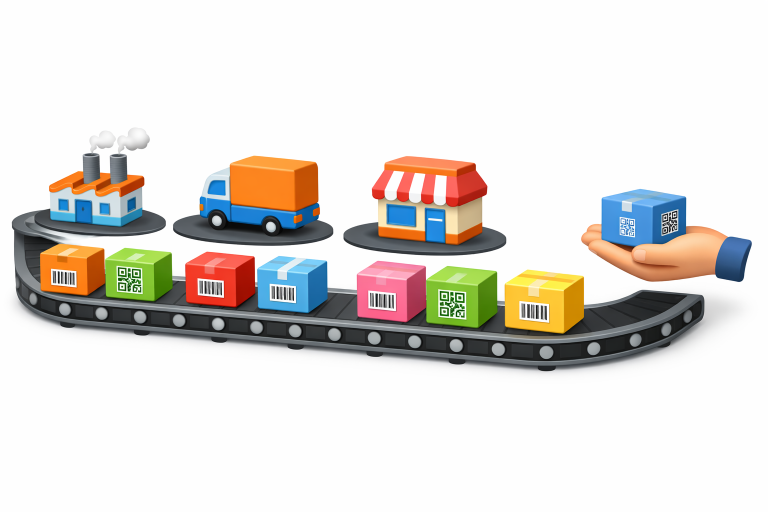
Product traceability is the systematic tracking of a product’s path from raw material sourcing through production, processing, and distribution to the end user. By establishing traceability, companies document every touchpoint, batch change, and transfer along the value chain. This thorough record-keeping matters because it lets businesses quickly retrieve necessary data if a problem surfaces and prove compliance with industry or governmental regulations. Advanced traceability systems may use barcodes, RFID technology, cloud-based tracking platforms, or blockchain to enable efficient, real-time access to key product details. According to the Forbes Business Council, transparent supply chains underpinned by traceability technologies are becoming increasingly vital as global supply chains continue to grow in complexity.
Enhancing Food Safety and Compliance
In the food and beverage sectors, traceability is not just a competitive differentiator but a regulatory necessity. The United States Food and Drug Administration enforces strict guidelines under the Food Safety Modernization Act (FSMA) Section 204. This regulation demands advanced traceability measures to ensure contaminated products can be found and removed without delay. Recent developments, including the story of a major grocery retailer achieving full FSMA 204 compliance through next-generation traceability solutions, illustrate that the industry is rapidly evolving to meet these requirements. Companies that adopt industry-leading practices can respond quickly to food safety threats, preventing widespread consumer impact and legal repercussions.
Improving Recall Management
Fast and targeted recall management is another significant benefit of implementing product traceability. When a defect or contamination issue occurs, rapidly identifying the source batch and all affected products is crucial. With traditional systems, pulling faulty items from shelves can be cumbersome and costly. However, modern traceability platforms simplify the process, enabling businesses to initiate smaller, more targeted recalls that minimize costs, customer inconvenience, and reputational harm. A notable wholesaler recently accomplished end-to-end traceability from supplier to store, illustrating how holistic systems can improve recall response and build resilience into the supply chain.
Building Consumer Trust
Today’s customers demand transparency about the origins, movement, and safety certifications of the products they buy. Effective traceability supports this expectation, empowering consumers with reliable, real-time data about where each product has come from and how it was handled. By offering this visibility, businesses show their commitment to safety and ethics, strengthening their relationship with both loyal and new customers. Consumer-facing brands that invest in traceability often find it easier to differentiate themselves and capture new market share.
Optimizing Inventory Management
Traceability also provides a crucial advantage in inventory management. By recording and updating detailed product movement data, companies can eliminate inventory inaccuracies, prevent overstocking, and reduce the risk of stockouts. These efficiencies not only help reduce operational expenses but also enable faster response to changing customer demands. Businesses embracing digital change, including traceability tools, are better positioned to manage supply chain disruptions and keep shelves stocked consistently.
Facilitating Market Access
Expanding internationally requires companies to comply with a range of traceability regulations. Many markets have established traceability measures as part of their food safety, consumer goods, or import protocols. Organizations that have invested in modern traceability infrastructure find it easier to obtain certifications and approvals, paving the way for market expansion and new business ventures. In this way, traceability is a key driver for growth on the global stage and ensures businesses remain agile amid changing requirements.
Overcoming Implementation Challenges
While the advantages of product traceability are clear, implementing an efficient traceability program can pose several challenges for manufacturers and retailers alike. Integrating new technologies into existing infrastructure may require substantial investments in software, hardware, and employee training. Companies must also address data privacy risks and ensure cross-departmental collaboration, which can be complex in large organizations. Additionally, global supply chains often involve multiple partners, suppliers, and regulatory jurisdictions, making standardization vital but challenging to achieve. To address these obstacles, organizations are increasingly forming partnerships with technology providers and industry groups, adopting best practices, and using open data standards to enable interoperability and scalability.
Education and change management are key to the successful deployment of traceability programs. Employees at all levels should understand the importance of accurate data entry and reporting, as even minor errors can have significant consequences. Companies that nurture a culture of transparency and continuous improvement are better equipped to avoid common pitfalls and fully realize the benefits of their investment in traceability technologies. Ongoing reviews and audits can help organizations keep their systems current and compliant with evolving regulations, further securing the supply chain against emerging risks.
The Role of Innovation and Future Trends
Technology continues to disrupt and reshape product traceability in remarkable ways. Artificial intelligence and machine learning, for example, are delivering new insights from supply chain data and supporting predictive analytics that help minimize risks before they become critical. Blockchain, with its decentralized nature, promises unparalleled traceability and integrity and has begun to see wider adoption beyond just luxury goods or pharmaceuticals. As sustainability and ethical sourcing concerns rise, manufacturers and retailers are leveraging traceability not only to manage risks but also to document their progress toward environmental and social goals. Looking ahead, consumer-facing apps that use QR codes or other scanning tools are expected to enhance transparency further and enable direct, trustworthy communication with end users.
Conclusion
The benefits of product traceability for manufacturers and retailers are clear. From improved food safety and recall management to strengthened consumer trust and optimized inventory, robust traceability is quickly becoming a hallmark of forward-thinking companies. As regulations tighten and consumer expectations rise, adopting advanced traceability systems is not just beneficial but necessary to maintain competitiveness, protect public health, and achieve long-term business success.