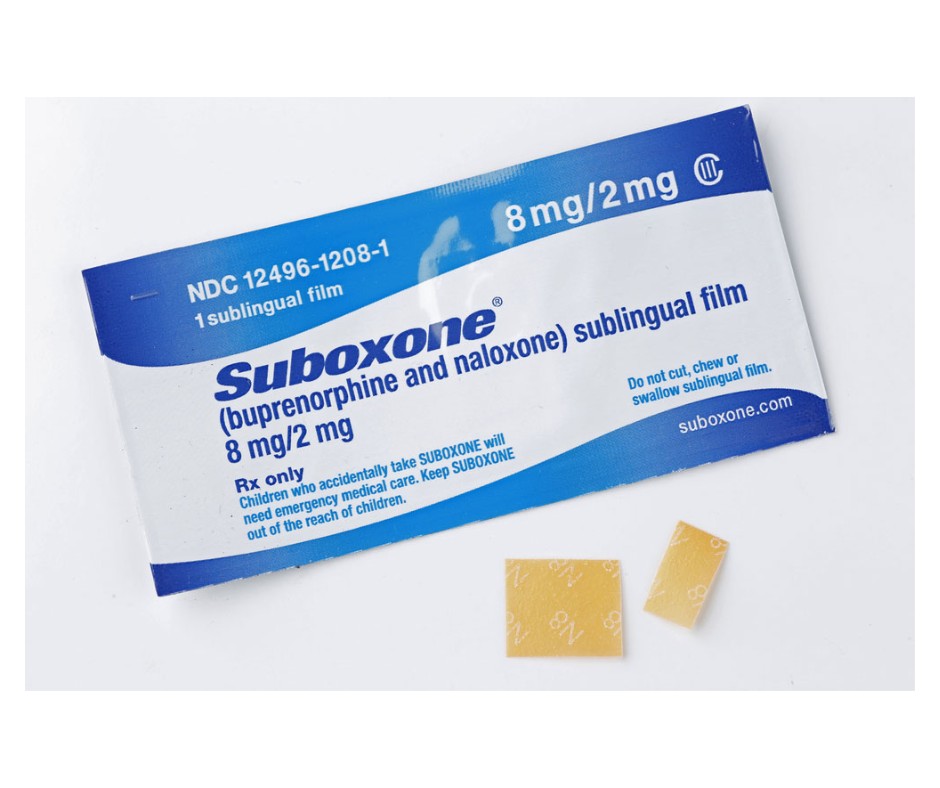
If you or someone you know has experienced serious tooth damage while taking Suboxone sublingual strips, it may be time to consult a suboxone tooth decay lawsuit attorney, especially in light of growing legal action. Suboxone, a medication widely prescribed to treat opioid addiction, can be effective—but its formulation also comes with a lesser-known dental risk.
What Is Suboxone and How Does It Help?
Suboxone is a combination of buprenorphine and naloxone. Buprenorphine is a partial opioid agonist: it binds to opioid receptors in the brain to reduce withdrawal symptoms and cravings, but it doesn’t produce the same high or risk of overdose as stronger opioids. Naloxone, on the other hand, is included to discourage misuse—when Suboxone is used as prescribed under the tongue (sublingually), the naloxone remains largely inactive, but if someone tries to inject it, the naloxone suddenly kicks in, triggering immediate withdrawal.
This makes Suboxone a powerful tool in opioid-use disorder treatment. But while it supports recovery, there’s mounting evidence that its sublingual form may have unintended consequences for oral health.
Why Suboxone Can Be Harmful to Your Teeth
The core of the problem lies in the acidity of Suboxone film. When dissolved, the strips have a pH of around 3.4—similar to vinegar. This strong acidity can lower the natural pH of the mouth, leading to gradual erosion of tooth enamel, the protective outer layer of teeth.
This issue is made worse because the strips are held in the mouth for an extended period as they dissolve, so teeth are bathed in that acidic solution. Further compounding the risk: Suboxone can cause dry mouth (xerostomia), reducing saliva flow. Since saliva helps neutralize acids and remineralize enamel, having less of it makes teeth more vulnerable to decay.
Evidence and Legal Claims
Many Suboxone users have reported severe dental injuries, including cavities, enamel erosion, broken teeth, and even tooth loss. A number of lawsuits allege that the manufacturer, Indivior, knew about the acidic risks of their film formulation but failed to provide adequate warnings to patients and healthcare providers.
In 2022, the U.S. Food and Drug Administration (FDA) issued a communication requiring new warnings on Suboxone packaging about the risk of dental problems. Many of the lawsuits have been consolidated into multidistrict litigation (MDL), making it easier to pool evidence such as dental records, prescription history, and expert testimony.
Who’s at Risk and What Evidence Is Needed
To potentially participate in legal action, many cases focus on individuals who:
- Used Suboxone sublingual film before mid-2022, when labeling was updated.
- Used the medication for an extended duration (e.g., for six months or more).
- Experienced significant dental issues not present before starting Suboxone.
- Have dental records (X-rays, treatment notes) from before and after Suboxone use.
Weighing the Risks and Benefits
It’s important to balance the life-saving potential of Suboxone for addiction treatment with its possible risks to dental health. For many people, the benefits of recovery outweigh the dental concerns—but that doesn’t make the risk negligible.
If you’ve suffered tooth decay, enamel erosion, or other oral injuries while taking Suboxone, know that legal recourse might be available. A suboxone tooth decay lawsuit attorney can help assess your case, gather your medical and dental records, and determine whether you may be eligible to seek compensation.
Final Thoughts
Suboxone’s sublingual films are effective for treating opioid dependence, but their acidity and the way they’re used can harm teeth. Being informed, maintaining excellent oral care, and consulting a legal professional if you’ve sustained damage are key steps for anyone using—or having used—this medication.
Key Takeaways
- Suboxone is effective for treating opioid addiction, but its acidic sublingual film can erode tooth enamel.
- Holding the film under the tongue exposes teeth to prolonged acidity and increases the risk of cavities and decay.
- Dry mouth caused by Suboxone further reduces saliva protection, making teeth more vulnerable to damage.
- Many lawsuits claim the manufacturer failed to warn users about these dental risks until updated FDA-required labels in 2022.
- Individuals with dental injuries linked to Suboxone may qualify for compensation by consulting a qualified attorney.