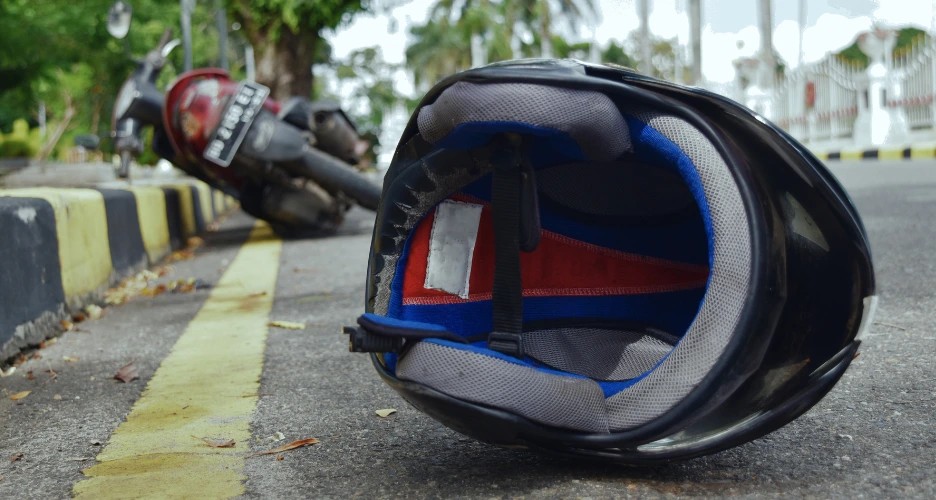
Los Angeles is a sprawling, bustling city known for its entertainment industry, diverse neighborhoods, and heavy traffic. With millions of residents and visitors navigating its streets daily, road safety is a constant concern. The city’s mix of urban and suburban roads, highways, and scenic routes presents unique challenges for motorists and motorcyclists alike.
Riding a motorcycle offers freedom and excitement — but it also comes with increased vulnerability. A single pothole, patch of debris, or slick patch can spell disaster for a rider. That’s why many rely on a dedicated Los Angeles motorcycle accident attorney when accidents do occur — after all, sometimes the real danger lies not in reckless drivers, but in the road beneath your wheels. Below are some of the most common road hazards that lead to motorcycle accidents — and how vigilant riders can spot and avoid them.
Loose Gravel, Debris & Roadway Sand
Gravel, sand, loose asphalt, or debris — especially near construction zones or on rural roads — significantly reduce tire traction. A patch of gravel at a curve or intersection is especially dangerous, since the rear tire can slip, sending the bike sliding out from under the rider.
When you see patches of loose stones or debris ahead — especially near road edges, shoulders, or after construction — ease off the throttle and avoid sudden turns or braking.
Potholes, Uneven Pavement, and Edge Breaks
Potholes, cracked pavement, uneven surfaces, and abrupt changes in road height (edge breaks between lanes or road edges) pose a hidden threat. Even a small bump can upset balance, especially if struck mid-turn or at speed.
Watch the road ahead, especially when approaching unknown or poorly maintained stretches. When you spot rough pavement or crumbling edges, slow down and pass with care — ideally in a straight line and upright posture.
Wet or Slippery Surfaces: Rain, Oil, Paint & Water Puddles
Rain, oil slicks, fresh paint, or recently resurfaced roads can dramatically reduce traction. These slick surfaces are especially dangerous while turning or braking, and even seemingly mild rain can mix with oil on the road to create a hidden hazard.
If conditions are wet, slow down, keep a bigger following distance, avoid sudden maneuvers, and watch for reflective puddles or dark patches that might indicate oil or water.
Roadside Obstacles & Debris: Gravel, Branches, Trash, and More
Unexpected debris — fallen tree branches, stray tires, rocks, pieces from damaged vehicles — can appear suddenly and force a rider into an abrupt swerve or stop. For motorcycles, even minor obstacles can lead to loss of control.
Scan the road surface well ahead — especially on rural roads, highways, or after heavy weather — and maintain a speed that lets you react safely.
Rails, Manhole Covers, Painted Lines & Road Markings
Certain surfaces — like metal bridge plates, railroad tracks, manhole covers, or painted road lines — can become extremely slippery when wet. A turn or lean over one of these surfaces can cause a crash.
When crossing such surfaces, try to keep your bike upright and avoid leaning. Enter them at a straight angle if possible, and reduce speed before you reach them.
Poor Road Design, Construction Zones, and Low Visibility
Narrow lanes, unexpected lane changes, sharp curves, inadequate signage, or poorly marked construction zones increase risks for motorcyclists. These hazards often surprise riders mid-ride.
Stay alert to signage, ride defensively in work zones, and give yourself extra margin for error — especially in congested, urban, or poorly maintained roads.
Tips for Spotting and Avoiding Hazards
- Scan far ahead: Look well beyond your lane to anticipate irregularities, debris, or water before you reach them.
- Adjust speed and posture: Slow down when approaching risky sections; avoid leaning or braking hard over slick surfaces or unknown terrain.
- Maintain safe distance: Keep space between you and other vehicles so you have room to maneuver if needed.
- Use defensive riding: Assume other road users might not see you; stay visible with headlights and bright gear, and avoid riding in blind spots.
- Stay alert in poor weather or low light: Rain, darkness, or fog reduce traction and visibility — adjust your riding accordingly.
Conclusion
Motorcycle riding will always carry risk — but much of that risk comes from hazards that could be spotted and avoided with awareness and caution. Loose gravel, potholes, slick surfaces, debris, and poor road design pose serious danger to riders. By understanding these hazards, scanning the road ahead, and riding defensively, motorcyclists can reduce their risk.
And if the worst does happen, having a strong legal advocate can help you navigate recovery and justice. Because when the road fails a rider — you deserve fair support and representation in return.
Key Takeaways
- Motorcycle riders are particularly vulnerable to road hazards like potholes, gravel, debris, and slippery surfaces, which can easily cause loss of control.
- Common hazards include loose gravel, uneven pavement, wet or slick surfaces, roadside debris, metal or painted surfaces, poor road design, and construction zones.
- Riders can reduce risk by scanning far ahead, adjusting speed and posture, maintaining a safe distance, and using defensive riding techniques.
- Extra caution is needed in adverse weather, low light, or unfamiliar roads, as traction and visibility are significantly compromised.
- If an accident occurs due to hazardous road conditions, consulting a Los Angeles motorcycle accident attorney can help riders recover compensation for injuries and damages.