Table of Contents
- The Rise of Digital-First Homebuying
- Demographic Shifts Influencing the Market
- Sustainability and Smart Homes
- Emphasis on Community and Lifestyle
- Addressing Affordability Challenges
- The Impact of Proptech Innovations
- Final Thoughts
The real estate landscape has never been more dynamic, driven largely by the evolving needs and preferences of today’s buyers. Modern technologies, shifting demographics, and new priorities are not just altering how homes are purchased—they’re fundamentally changing what people look for in a property, and how they interact with communities and real estate professionals. For example, those seeking homes for sale in Pasadena are typically using a blend of digital resources, innovative tools, and market insights that didn’t exist a decade ago.
The market’s transformation is evident everywhere, as seen in the rise of virtual home tours, the growing demand for sustainability, and the increasing importance of lifestyle-oriented neighborhoods. These forces are setting new standards for the future of real estate, as buyers seek efficiency, cost-effectiveness, and a personal connection in their homebuying journey.
Younger generations are now setting the tone with tech-first approaches and unique lifestyle demands, while affordability challenges continue to push both buyers and industry professionals towards more creative solutions. For sellers and agents, understanding these trends is key to success in a rapidly shifting industry.
The future for all stakeholders in real estate will be shaped by agility and a willingness to adapt. In this article, we’ll explore the major trends redrawing the market, from demographic movements and sustainability to proptech innovations and affordability.
The Rise of Digital-First Homebuying
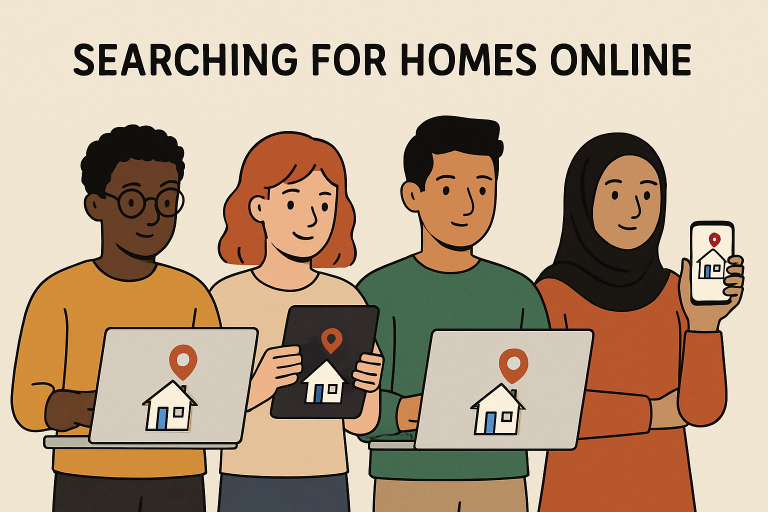
Digital tools are central to the modern homebuying journey. Virtual tours, high-resolution images, and interactive 3D walkthroughs have become standard, empowering prospective buyers to evaluate properties remotely and efficiently. According to the National Association of Realtors, over 90% of homebuyers utilize online resources at some point during their search, often narrowing down choices before setting foot in a single house. Digital-first homebuying particularly resonates with millennials and Gen Z, who are accustomed to managing many aspects of life—from banking to shopping—online.
Technological advances extend beyond the search process. Secure digital signatures, online mortgage applications, and remote notarizations are streamlining transactions, making the process more convenient and faster than ever before. These innovations cater to a growing demand for flexibility, as buyers increasingly expect seamless and transparent experiences from their real estate professionals.
Demographic Shifts Influencing the Market
Demographic trends are heavily influencing the real estate market. Millennials are now the largest generation of homebuyers, but their approach and expectations differ significantly from those of their predecessors. Many favor urban settings and smaller, low-maintenance properties. Gen Z, just entering the market, seeks flexibility—often favoring condos and townhomes that align with a more mobile lifestyle.
A notable shift has been the growing number of single women purchasing homes. According to CNBC, single women account for nearly 70% of single homebuyers, a sign of greater financial independence and changing societal norms. Along with this, there is a heightened focus on accessibility and inclusivity, as older adults aim to age in place and multigenerational households become increasingly common.
Sustainability and Smart Homes
Environmental stewardship is increasingly driving home purchase decisions. Buyers are drawn to energy-efficient designs and smart home features not only for cost savings but also for their environmental impact. Solar panels, high-efficiency HVAC systems, and eco-friendly materials are now selling points, with buyers willing to pay a premium for sustainability. Smart thermostats, security systems, and voice-activated controls are becoming fixtures of new homes, delivering comfort and intelligence alongside energy savings.
This trend reflects broader societal momentum toward sustainability, as seen in the rising number of green building certifications and government incentives for energy-efficient renovations and upgrades. Ultimately, modern buyers perceive these investments as both responsible and practical—the wise choice for their families and the future.
Emphasis on Community and Lifestyle
Homebuyers now look beyond square footage and finishes, placing strong emphasis on community characteristics and lifestyle amenities. Proximity to green spaces, walkable downtowns, local shops, and top-rated schools can often outweigh a property’s design or price. Vibrant neighborhoods that facilitate social interaction are in increasingly high demand, reflecting a shift toward more holistic and connected living.
This renewed focus is not just about convenience, but about cultivating a sense of belonging. The ability to engage with local culture, access parks and recreation, or join community groups becomes an essential part of the decision-making process, illustrating the growing value placed on the “why” behind a home purchase.
Addressing Affordability Challenges
Rising property prices and limited inventory are some of the biggest hurdles for today’s homebuyers. As affordability becomes an increasing concern, innovative solutions are materializing—co-buying with friends or family, shared equity programs, and the popularity of build-to-rent communities are providing alternative paths to homeownership. These options allow buyers to enter the market despite challenging circumstances and provide flexibility as needs change over time.
Financial literacy resources and homebuyer assistance programs are also increasingly important, helping first-time buyers navigate down payments and mortgage lending. Industry professionals who can guide clients through these evolving options are invaluable, as they help close the gap between aspiration and reality for many buyers.
The Impact of Proptech Innovations
Proptech—the intersection of property and technology—is fundamentally changing the real estate sector. Artificial intelligence now powers sophisticated search algorithms, enabling buyers to find properties that match their nuanced criteria. Blockchain is being used to secure transactions, enhance transparency, and reduce fraud, while virtual assistants and chatbots provide real-time support to buyers and sellers alike.
These advances benefit everyone: buyers can make more informed and confident decisions; sellers enjoy increased exposure and marketing power; and agents can focus on delivering expert support rather than managing paperwork. Proptech is scaling rapidly, with the potential to streamline transactions, making them faster, safer, and more convenient for all parties involved.
Final Thoughts
Modern homebuyers are at the center of sweeping changes across the real estate market. Their embrace of digital-first processes, prioritization of sustainability, and desire for meaningful community connections are reshaping how properties are bought and sold. As affordability challenges prompt creative solutions and proptech continues to advance, the industry is being rewritten in real time. For buyers, sellers, and agents alike, understanding these monumental shifts is key to navigating—and thriving in—the future of real estate.